

The 4 Essential Steps for a Successful Covering Installation
Table of contents
The 4 key steps to achieve a professional covering installation and obtain a flawless finish on your adhesive surface.
Introduction
Installing covering is a decisive step in the success of a renovation or interior design project. Whether applied to furniture, walls, doors, or staircases, a properly installed adhesive film guarantees a clean, professional, and visually consistent result.
While covering allows you to quickly transform an existing surface, its application requires method, precision, and proper preparation. A well-executed installation ensures a flawless finish and fully enhances the aesthetic value of the adhesive covering.
Here are the four essential steps to achieve a professional covering installation.
1. Carefully prepare the surface
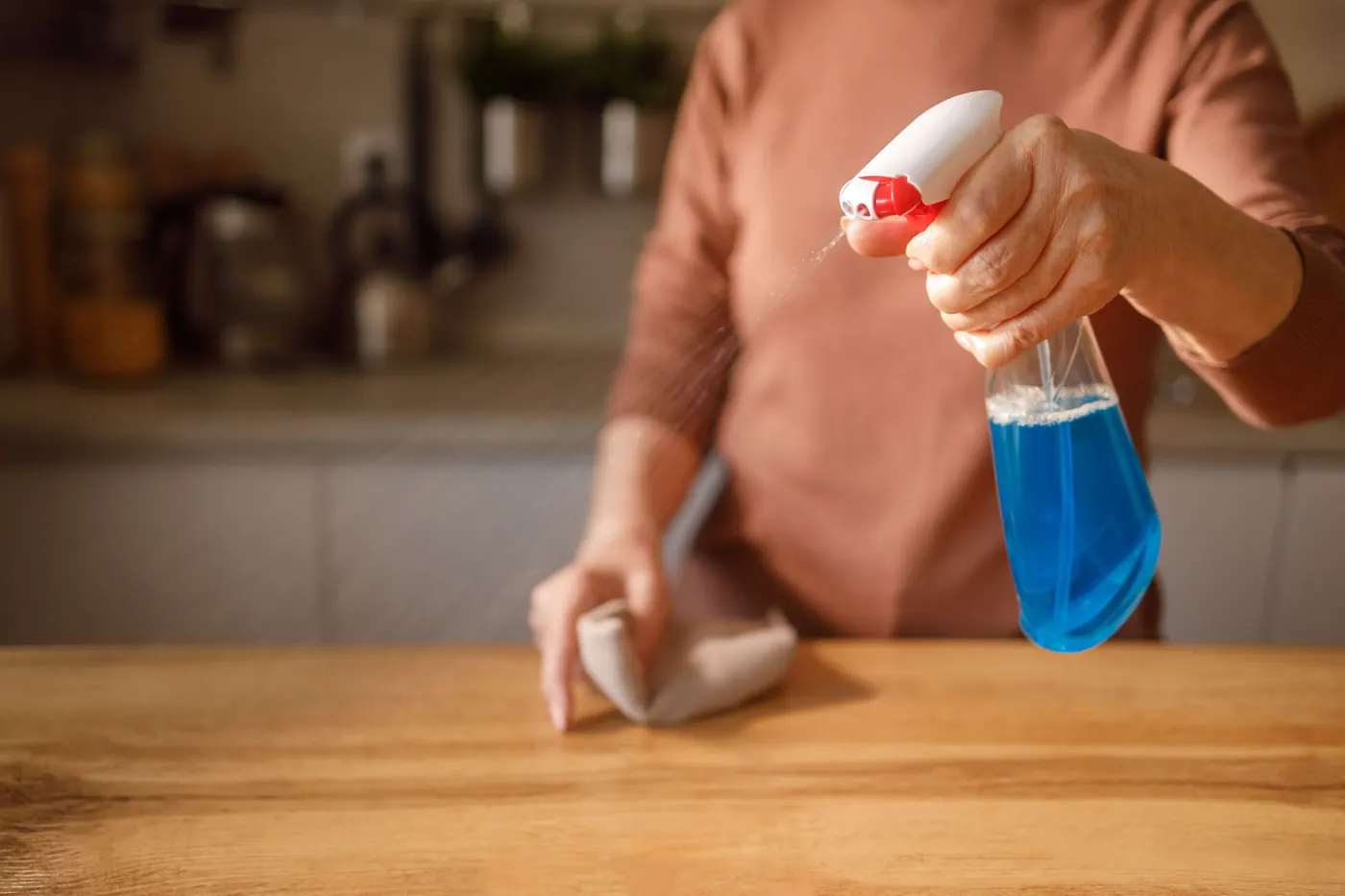
The quality of the final result primarily depends on surface preparation. The surface must be clean, dry, smooth, and degreased.
Any dust, grease marks, or irregularities can compromise the adhesion of the adhesive film. A perfectly prepared surface ensures a smooth and even application.
2. Take precise measurements and cut the film
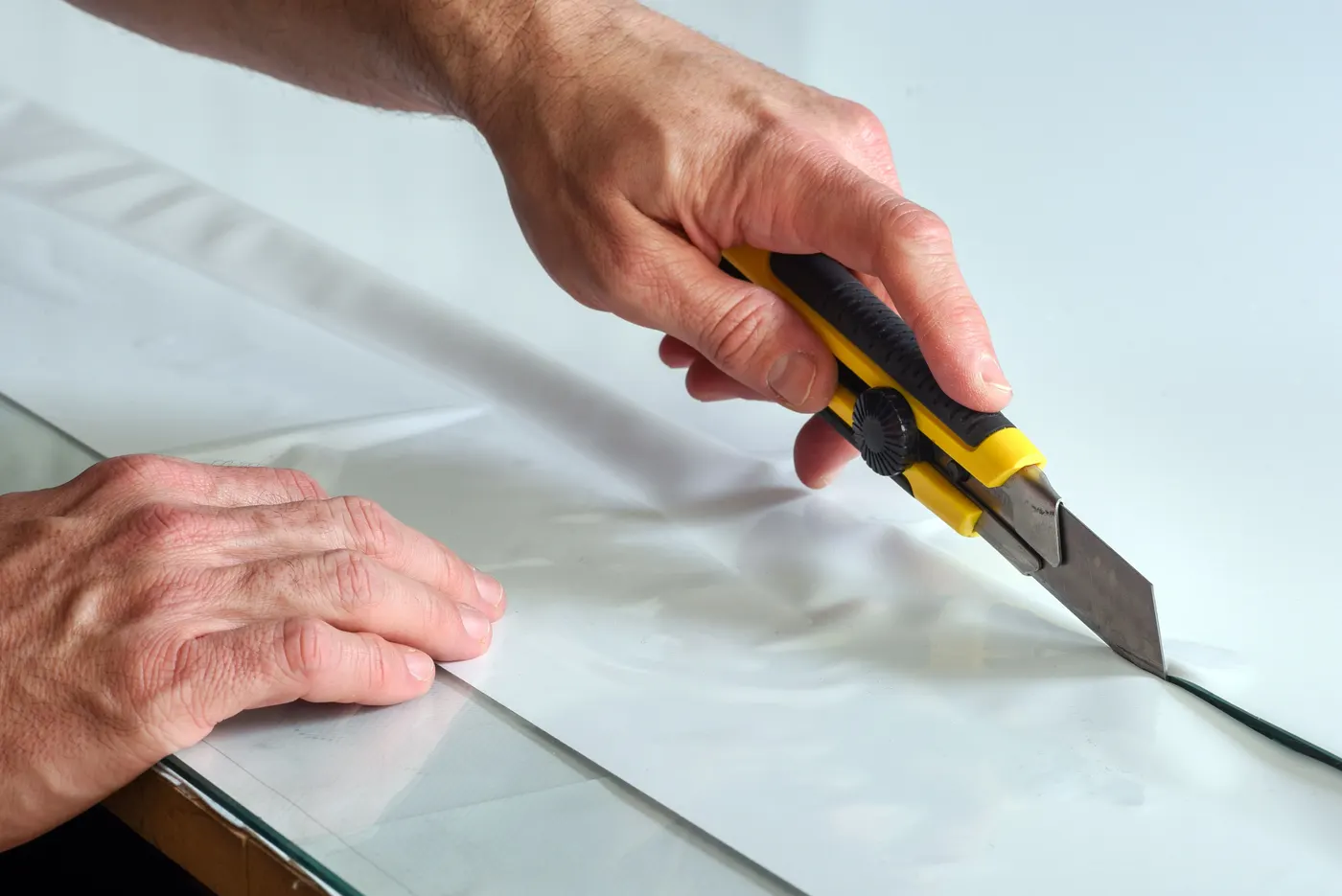
Before installation, it is essential to measure the surface to be covered accurately.
Leaving a few extra centimeters makes it possible to:
adjust the film during installation manage corners and edges ensure clean finishes
Pre-cutting the adhesive covering reduces excessive handling and makes the installation process easier.
3. Position the adhesive film methodically
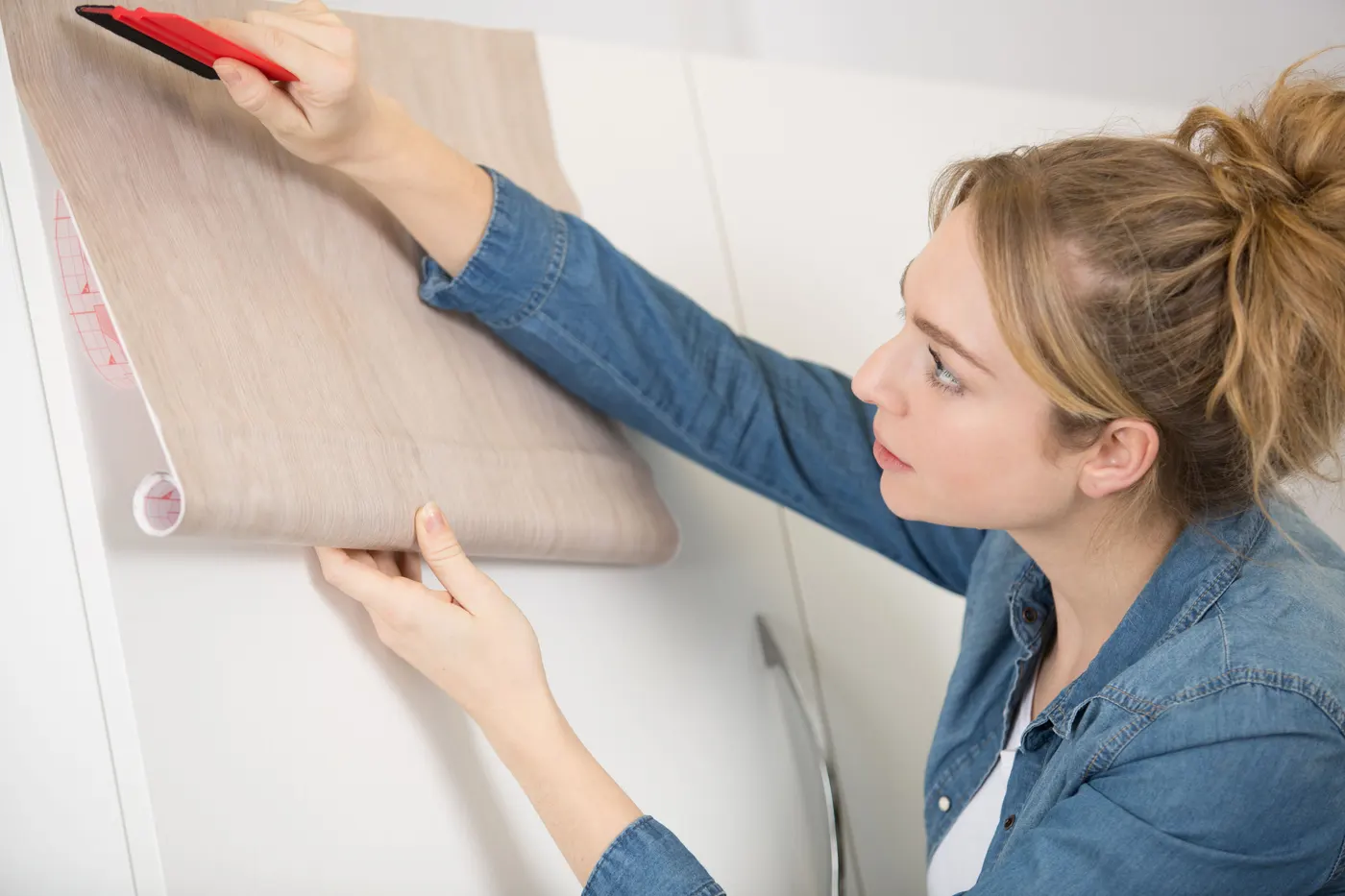
Covering installation should not be done all at once. Instead, it is recommended to:
progressively remove the liner apply the film from the center outward smooth it using an appropriate squeegee
This technique helps prevent air bubbles and ensures even tension across the adhesive surface.
4. Work carefully on corners and complex surfaces
Corners, rounded shapes, and curved surfaces require particular attention.
Using a controlled heat source helps soften the adhesive film so it can perfectly conform to the shape of the surface. This step is essential to achieve a clean and durable result, especially when covering furniture or staircases.
Covering installation requires precision and attention to detail. By following these key steps, adhesive coverings fully reveal their aesthetic and technical potential.
When properly installed, covering can transform an existing surface into a modern, structured element that integrates perfectly into its environment.
Recommended products
Discover the adhesive films that match this article

Continue reading
Other guides you might like